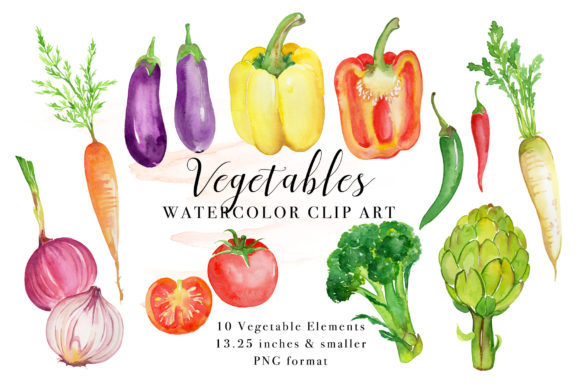
Vegetables Watercolor Clip Art
As an embroidery designer and product reviewer, I’ve seen thousands of designs come and go. But when I first laid eyes on Vegetables Watercolor Clip Art, it immediately stood out for its soft, whimsical charm and clear potential in real-world projects. This isn’t just a pretty image—it’s a design that feels like it was made to be stitched into something meaningful.
The First Impression: A Whimsical, Versatile Design
Vegetables Watercolor Clip Art has a gentle, artistic vibe that immediately evokes a sense of calm and creativity. The watercolor style gives it a handcrafted feel, while the clean lines and balanced composition make it easy to work with in various embroidery formats. It’s not overly complex, but it’s detailed enough to hold visual interest without overwhelming the eye.
The layout is well-structured, making it ideal for use on items like tote bags, baby onesies, or even small patches. The color palette is subtle, which means it can be adapted to different fabric colors and thread choices without losing its appeal. This versatility is a big plus for anyone looking to create a cohesive brand aesthetic or offer multiple customization options.
Real-World Embroidery Performance
When I tested Vegetables Watercolor Clip Art on a few different fabrics, it performed quite well. On cotton tote bags and sweatshirts, the design held up nicely with a mix of satin and fill stitches. The stitch density wasn’t too heavy, which is great for avoiding bulkiness on lightweight materials.
For custom apparel, this design works especially well on t-shirts and light jackets. It adds a touch of personality without being too bold. On baby clothes, the soft shapes and muted tones make it a safe and appealing choice for parents who want something cute but not too flashy.
One thing to note is that the design isn’t ideal for very small hoop sizes. If you’re working on a cap or a hat, you’ll need to adjust the design or split it into sections. It also doesn’t do well on stretchy or textured fabrics, where the details might get lost or distorted during stitching.
Where to Use It—and Where to Be Cautious
Vegetables Watercolor Clip Art shines on flat, smooth surfaces like tote bags, aprons, and pillow covers. It’s perfect for creating personalized gifts, such as embroidered kitchen towels or holiday-themed decorations. Its gentle style also makes it a good fit for nursery decor or baby items, where a soft, artistic look is preferred.
However, there are some limitations. On dark fabrics, the design may not show up as clearly unless you choose a contrasting thread color. For thin or stretchy materials, it’s best to use a stabilizer to prevent puckering or distortion. And if you're planning to use it on layered garments or curved surfaces, you’ll need to adjust the design accordingly.
Also, keep in mind that this design isn’t suitable for areas with tiny lettering or dense stitch patterns. It’s better suited as a decorative accent rather than a main focal point. If you’re using it on a patch or a small item, make sure the details are large enough to be visible after stitching.
Impact on Visual Appeal and Customer Perception
Vegetables Watercolor Clip Art has a strong visual appeal that can elevate any handmade product. Its soft, artistic look adds a level of sophistication that can make your finished items stand out in a crowded market. Whether you’re selling on Etsy or running a small shop, this design can help you create products that feel unique and thoughtfully crafted.
From a customer perspective, this design is likely to be well-received. It’s versatile enough to appeal to a wide range of buyers, from eco-conscious shoppers to those looking for personalized gifts. The watercolor style also gives it a timeless quality that can be used across different seasons and occasions.
For commercial embroidery projects, this design offers a good balance between aesthetics and practicality. It’s easy to work with, doesn’t require excessive stitch counts, and can be adapted to various fabric types. As long as you follow proper embroidery techniques, it should translate well into high-quality finished products.
Practical Tips for Embroidery Designers
If you're considering using Vegetables Watercolor Clip Art in your next project, here are a few tips to keep in mind:
- Test on scrap fabric first to see how the design looks with your chosen thread colors and fabric type.
- Check stitch density to ensure it’s appropriate for the material you're working with.
- Confirm hoop size requirements before starting your project, especially if you're working on curved or small items.
- Inspect small details to make sure they’re visible and well-defined after stitching.
- Use proper stabilizer for stretchy or delicate fabrics to prevent distortion.
- Review licensing terms if you plan to sell finished items or digital products.
By taking these steps, you can ensure that Vegetables Watercolor Clip Art translates into a professional, high-quality embroidery project that meets your expectations and those of your customers.
Final Thoughts: A Design That Works Well in Practice
After testing Vegetables Watercolor Clip Art in several real-life scenarios, I can confidently say it’s a solid choice for embroidery designers, small business owners, and crafters looking for a versatile, visually appealing design. It’s not perfect for every situation, but when used correctly, it can add a lot of value to your products and projects.
Whether you're creating custom apparel, personalized gifts, or boutique merchandise, this design has the potential to enhance your offerings and connect with your audience. Just remember to consider the fabric type, stitch requirements, and placement to get the best results.