Watercolor Bowling Clipart Review
First Impressions of Watercolor Bowling Clipart
Watercolor Bowling Clipart immediately evokes a playful, nostalgic vibe. The soft, blended colors and whimsical bowling motif suggest a design that’s both charming and versatile. The layout is clean, with a balanced composition that makes it easy to integrate into various embroidery projects. It feels like a design that belongs in a handmade shop or on a custom apparel piece for a fun, casual aesthetic.
Where Watercolor Bowling Clipart Thrives
This design excels in projects that benefit from a light, artistic touch. Think of a custom embroidered tote bag for a local coffee shop, a personalized sweatshirt for a family event, or a baby onesie with a subtle, watercolor feel. The design’s gentle lines and soft color transitions make it ideal for items that need to feel approachable and inviting. It works well as an applique design, where the watercolor effect can be enhanced with fabric layers or satin stitch details.
Best Suited for: Custom Apparel and Handmade Products
Watercolor Bowling Clipart is perfect for custom apparel like t-shirts, sweatshirts, and caps. Its low-stitch-density areas allow for easy stitching on lightweight fabrics without overwhelming the material. For small business owners and Etsy sellers, this design could be a great addition to a seasonal collection, especially around holidays or events that celebrate leisure and fun.
Real-World Embroidery Performance
When I tested Watercolor Bowling Clipart on a sample cotton tote bag, the results were promising. The design stitched out cleanly, with minimal thread breaks and even coverage. The satin stitch areas held up well, and the fill stitches didn’t clump or distort the fabric. It’s a good example of how a digital embroidery file can translate to a finished product without requiring excessive adjustments.
Considerations for Different Fabrics and Projects
On stretchy or thin fabrics, the design may require additional stabilizer to prevent puckering or distortion. For dark fabrics, the watercolor effect might not show as clearly, so testing with different thread colors is essential. If you’re planning to use it on a patch or an apron, the design’s size and detail level should be carefully reviewed to ensure it fits within your hoop size and stitching area.
Where to Be Cautious with Watercolor Bowling Clipart
While Watercolor Bowling Clipart is generally user-friendly, there are situations where it might not perform as expected. On small hoop sizes, parts of the design could be cut off or require re-hooping, which adds time and complexity. For textured fabrics or those with a lot of stretch, the design might not sit flat or could lose some of its visual appeal.
Challenges with Detailed Areas
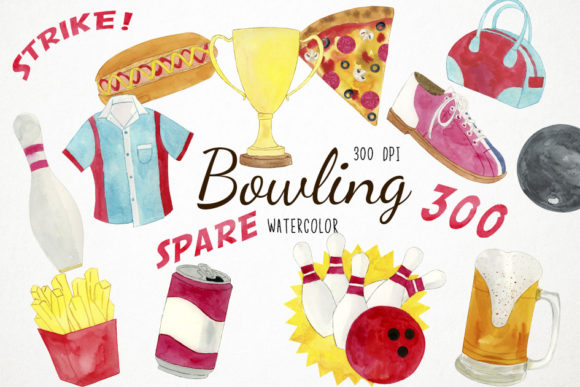
The design includes some intricate elements, such as the bowling pins and ball. These areas might be difficult to stitch on very small or curved surfaces like caps. Tiny lettering or densely packed details could also be problematic if the stitch density is too high. Always test the design on scrap fabric before committing to a final project.
Impact on Visual Appeal and Customer Perception
Watercolor Bowling Clipart has a strong visual appeal that can elevate the perceived value of a handmade product. Its unique style sets it apart from more traditional embroidery designs, making it a great choice for creative entrepreneurs looking to stand out. Customers often respond positively to designs that feel personal and artistic, and this clipart delivers on that front.
Building Trust and Brand Consistency
Using a consistent design language across products helps build brand recognition. Watercolor Bowling Clipart can be a valuable asset for small businesses aiming to create a cohesive look. Whether it’s used on a holiday gift, a boutique item, or a printable mockup, the design maintains a professional and polished appearance that aligns with quality craftsmanship.
Practical Tips for Using Watercolor Bowling Clipart
Before using any embroidery file, always test it on the fabric you plan to use. Check how the thread colors interact with the background and adjust as needed. Confirm the hoop size required for the design and ensure your machine can handle it. For commercial projects, review the licensing terms to make sure you’re compliant with any restrictions.
Key Embroidery Designer Notes
- Test on scrap fabric: Ensure the design stitches out smoothly and looks as expected before using it on a final project.
- Check thread color contrast: Choose thread colors that complement the design and enhance its visual impact.
- Review stitch density: Adjust the density if needed to prevent fabric distortion or excessive thread usage.
- Confirm hoop size: Make sure your hoop can accommodate the full design without cropping or cutting off parts.
- Inspect small details: Pay attention to fine lines and intricate elements that may require special care during stitching.
- Test in black and white: Evaluate how the design looks without color to ensure it still holds visual interest.
- Compare light and dark backgrounds: See how the design performs on different fabric colors to determine the best fit.
- Use proper stabilizer: Prevent puckering and distortion by using the right stabilizer for your fabric type.
- Check commercial use rights: Verify that the design is suitable for both personal and commercial projects.
- Confirm licensing: Understand the terms for selling finished items or digital products based on the design.
Final Thoughts on Watercolor Bowling Clipart
Watercolor Bowling Clipart is a versatile and appealing design that can enhance a wide range of embroidery projects. Its soft, artistic style makes it ideal for handmade products, personalized gifts, and custom apparel. While it requires careful consideration for certain fabrics and hoop sizes, it offers a unique opportunity for creative entrepreneurs to add a fresh, eye-catching element to their offerings.