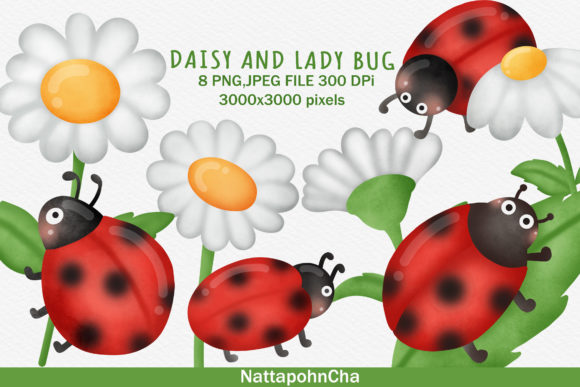
Watercolor Daisy and Lady Bug Clipart Illustrations
As a blog designer and digital publisher, I’m always on the lookout for graphic design assets that can elevate content presentation without overwhelming the reader. Watercolor Daisy and Lady Bug Clipart offers a charming and versatile set of illustrations that can enhance editorial design, web design, and visual storytelling across multiple platforms.
The First Impression: A Whimsical Yet Polished Look
Watercolor Daisy and Lady Bug Clipart immediately evokes a soft, artistic mood. The delicate watercolor style feels both nostalgic and modern, making it ideal for content that leans into lifestyle, beauty, gardening, or creative education. It doesn’t feel overly playful or childish—it strikes a balance between whimsy and professionalism, which is perfect for blogs targeting a broad audience.
This aesthetic naturally supports niches like DIY projects, seasonal content, floral themes, or educational materials. It’s not the best fit for high-stakes corporate content, but for small business branding, online educators, or creative entrepreneurs, it adds a touch of personality and warmth.
Real-World Publishing Use Cases
Watercolor Daisy and Lady Bug Clipart shines in a variety of publishing scenarios. For blog graphics, it can serve as a featured image, article header, or social media preview. Its clean lines and subtle details make it easy to integrate into Canva templates or digital guides without clashing with other design elements.
For Pinterest pins, this asset can be a strong visual hook. Its soft colors and organic shapes are highly shareable and can help content stand out in a crowded feed. In newsletter banners or lead magnets, it adds a friendly, approachable tone that encourages engagement.
It also works well as a downloadable printable design or eBook cover. Whether you're creating worksheets, printable planners, or digital products, the Watercolor Daisy and Lady Bug Clipart adds a cohesive visual identity that readers will recognize and appreciate.
How It Boosts Content Performance
One of the most valuable aspects of Watercolor Daisy and Lady Bug Clipart is how it supports visual hierarchy. When used effectively, it helps guide the reader’s eye through a page, reinforcing key messages and improving overall readability.
It also enhances brand identity. By consistently using this asset across website headers, social media posts, and email templates, publishers can create a more recognizable and professional look. This consistency builds reader trust and makes content feel more polished and intentional.
In affiliate marketing or content marketing, a strong visual presence can mean the difference between a click and a bounce. Watercolor Daisy and Lady Bug Clipart can help make affiliate content more engaging, especially when paired with clear, concise copy and strategic placement.
Where It Works Best
This graphic design asset excels in hero images, article thumbnails, and Pinterest pins where a strong visual statement is needed. It also fits well as an editorial accent in blog layouts, adding a subtle touch of creativity without distracting from the main content.
For downloadable resources like worksheets or printables, it provides a visually appealing backdrop that complements the content without overpowering it. In social media previews, it can catch attention and encourage clicks, especially when paired with compelling headlines.
When to Use It Carefully
While Watercolor Daisy and Lady Bug Clipart is beautiful, it’s not a one-size-fits-all solution. On small mobile thumbnails, its intricate details may get lost, so it’s best to simplify or crop the image for optimal visibility.
It may not work well in text-heavy blog images or low-contrast backgrounds. In serious or professional niches, such as legal, financial, or medical content, it could come off as too casual. Similarly, in minimalist or modern design systems, it might feel out of place if not used intentionally.
Publisher Notes: Testing and Optimization
Before integrating Watercolor Daisy and Lady Bug Clipart into your site, test it on both desktop and mobile screens. Ensure it looks good as a thumbnail and doesn’t get distorted when resized. Preview it inside a real blog layout to see how it interacts with headline text and other design elements.
Check contrast and readability—especially if you plan to use it with dark text on light backgrounds or vice versa. Try it in black and white to assess its versatility. Place it beside different font styles, including serif, sans serif, script, handwritten, and display fonts, to see how it adapts.
Review the file size for web performance, and compress images properly to maintain fast loading times. Always confirm the commercial license before using it on monetized websites, affiliate pages, or paid content products.
Final Thoughts: A Versatile Asset for Creative Publishing
Watercolor Daisy and Lady Bug Clipart is a thoughtful addition to any digital publisher’s toolkit. Whether you’re working on blog graphics, editorial design, or social media visuals, it brings a level of creativity and polish that can elevate your content marketing efforts.
For small business branding, online educators, and creative entrepreneurs, this illustration set offers a way to express personality while maintaining a professional appearance. As long as it’s used with intention and tested for performance, it can become a valuable part of your design assets and help build a stronger visual identity across all platforms.